2026 Top Hot Rolled Alloy Spot Inventory Insights for Buyers?
The analysis of Hot Rolled Alloy Spot Inventory is crucial for buyers in 2026. Current industry reports highlight a rising demand for hot rolled alloys, driven by manufacturing and construction sectors. According to the World Steel Association, global crude steel production reached 1.9 billion tonnes in 2022, with a significant portion attributed to hot rolled products.
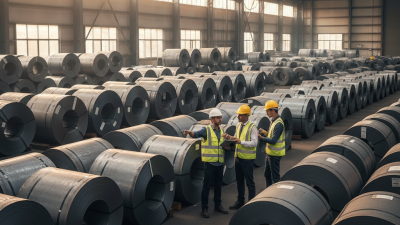
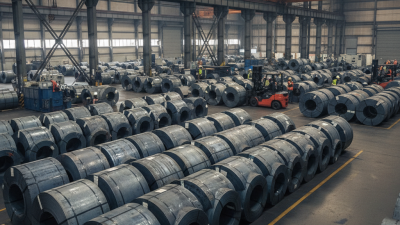
For buyers, understanding inventory levels is essential. Fluctuations in Hot Rolled Alloy Spot Inventory can indicate market trends. As of late 2023, inventories are tighter due to supply chain disruptions and increased international demand. Buyers must carefully monitor these changes to make informed purchasing decisions.
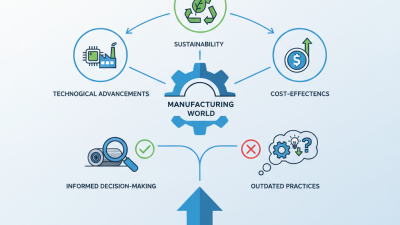
The complexity of the market poses challenges. Some buyers may overestimate their needs, leading to excess inventory. Others might underestimate, risking stockouts. Navigating these dynamics requires expertise and diligence. Keeping updated with real-time data and analytics can empower buyers to optimize their purchasing strategy.
Overview of Hot Rolled Alloy Inventory Trends for 2026
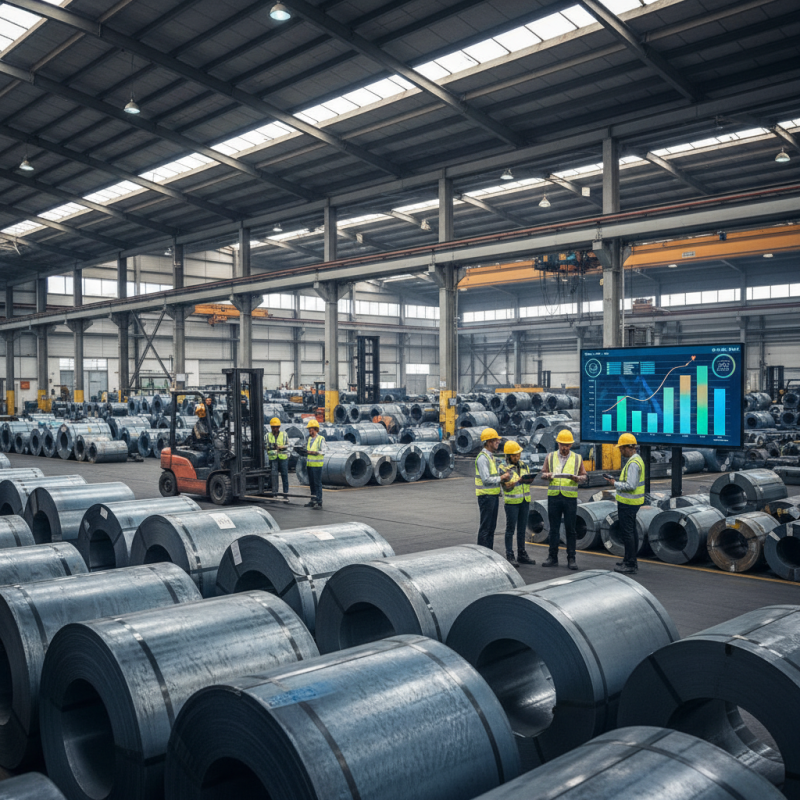
As we look toward 2026, the hot rolled alloy inventory landscape is showing some distinct trends. The inventory levels have seen fluctuations in recent months. Buyers need to remain vigilant as these patterns can impact pricing and availability. Increased global demand drives the need for reliable supply chains. This often leads to stock shortages or surplus in unexpected areas.
Current data indicates a growing preference for certain alloys in industries such as automotive and construction. These materials are prized for their strength and versatility. However, the increasing costs of raw materials pose challenges. It's a complicated equation, and not all producers maintain transparency in their inventory levels. Buyers must investigate suppliers thoroughly.
Moreover, there are risks associated with over-reliance on specific sources. Companies should diversify their inventory strategies to mitigate these risks. Doing so can help avoid disruptions. Keeping an eye on market movements is essential. Yet, predicting these trends isn't always straightforward. Reflecting on past behaviors may shed light on future decisions. A careful approach is critical.
Key Factors Influencing Hot Rolled Alloy Demand and Supply
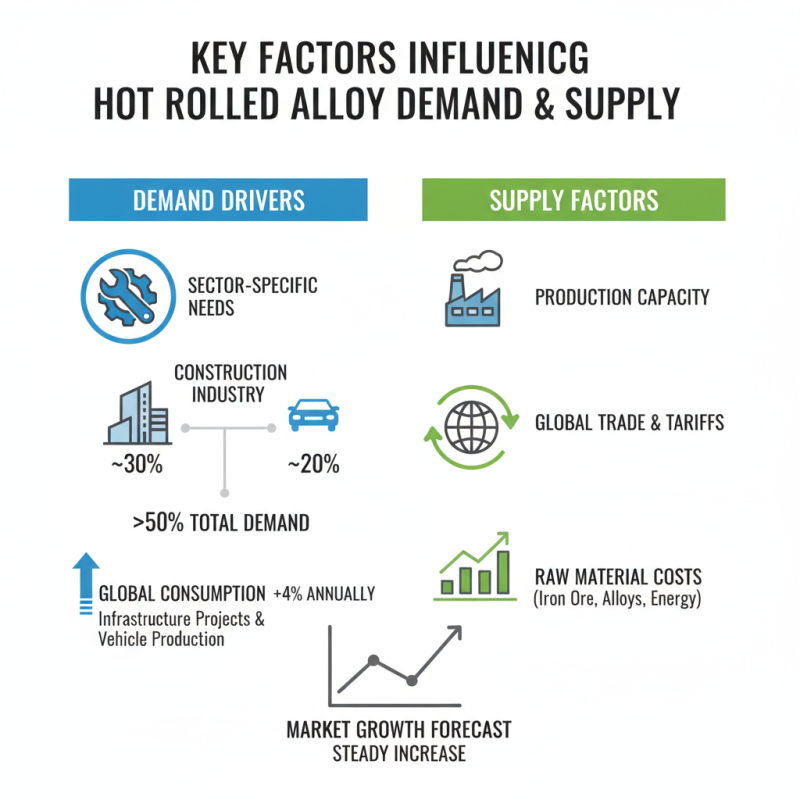
The demand for hot rolled alloy is largely dictated by sector-specific needs. The construction and automotive industries are major consumers, accounting for over 50% of the total demand. According to a recent market analysis, global hot rolled alloy consumption is expected to grow by 4% annually due to infrastructure projects and vehicle production increases.
Supply-side factors also play a crucial role. The availability of raw materials like steel and nickel affects pricing and inventory levels. Recent disruptions in supply chains, notably due to geopolitical tensions and trade restrictions, have led to fluctuations in alloy availability. This volatility may challenge buyers looking for stable sourcing. Buyers should prepare for potential shortages in the short term, as analysts project a 2% decline in production capacity over the coming years.
Furthermore, as sustainability becomes a priority, buyers must consider environmentally friendly options. Reports highlight that over 30% of alloy production is now focused on reducing carbon footprints. This shift raises questions about the long-term viability of traditional hot rolled methods. Buyers need to balance immediate inventory needs with these evolving practices. It’s a complex landscape that demands careful navigation and strategic planning.
Strategies for Buyers to Optimize Hot Rolled Alloy Purchases
Navigating the hot rolled alloy market requires strategic insight. Buyers should focus on understanding market trends and price fluctuations. Analyzing historical data helps make informed decisions. Knowledge of global supply chains can reveal opportunities and risks.
Networking with industry insiders is crucial. Engaging with suppliers can enhance negotiation power. Building strong relationships fosters trust. This can lead to better pricing and delivery terms. Always seek multiple quotes. Competition among suppliers can lower costs.
Buyers should regularly assess their inventory needs. Overordering can tie up capital. Just-in-time ordering minimizes waste. However, reliance on this strategy can be risky during supply chain disruptions. Flexibility is vital to adapt to changing market conditions. The balance between supply and demand is delicate, requiring constant monitoring.
2026 Hot Rolled Alloy Inventory Insights
Regional Analysis of Hot Rolled Alloy Market Conditions
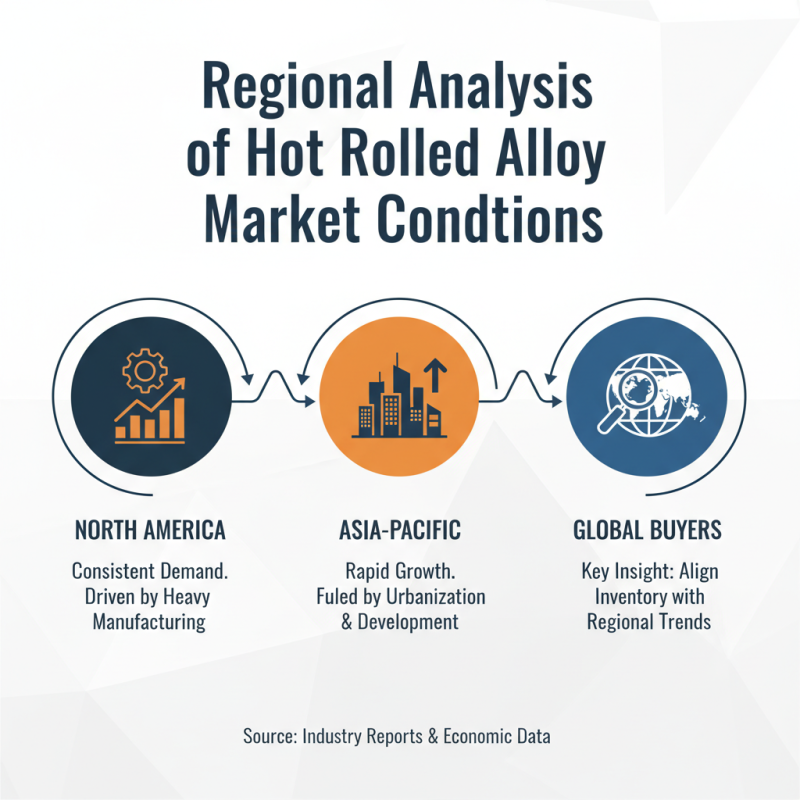
Understanding the regional dynamics of the hot-rolled alloy market is essential for buyers. Different areas exhibit varying demand levels, influenced by local industries and economic conditions. For instance, North America's heavy manufacturing sector drives consistent demand for hot-rolled alloys. Meanwhile, Asia-Pacific regions experience rapid growth due to urbanization. Buyers should note these trends when assessing inventory needs.
In Europe, fluctuating regulations impact the hot-rolled alloy market. Countries like Germany and Italy emphasize sustainability. This affects alloy production methods and availability. Buyers must stay updated on these regulations to make informed decisions. Additionally, the Middle East shows a burgeoning market driven by infrastructure projects.
Notably, challenges persist. Logistics can disrupt supply chains, causing inventory shortages. Buyers should develop contingency plans. Local economic downturns can also slow demand unexpectedly. Staying adaptable and informed will better position buyers in this evolving landscape.
Future Projections for Hot Rolled Alloy Prices and Availability in 2026
As we look ahead to 2026, the landscape for hot rolled alloy prices and availability is shifting. Industry reports indicate a volatile market influenced by global supply chain challenges. Analysts predict a potential increase of 5-10% in pricing due to heightened demand from key sectors such as construction and automotive. This growth is driven by ongoing infrastructure projects and a rebound in manufacturing activities post-pandemic.
Experts suggest that availability may fluctuate significantly in 2026. Factors include ongoing geopolitical tensions and energy costs impacting production rates. Specific regions are likely to experience shortages. Data from sector analyses reveal that when automotive production ramps up, hot rolled alloy demand could exceed availability by as much as 15%. Buyers should prepare for potential delays and explore multiple suppliers.
Monitoring industry trends is crucial. Reports highlight that inventory levels could remain tight. Proactive strategies are essential. Engaging with suppliers now can help mitigate risks. The uncertainty surrounding raw material costs must also be considered. As markets adapt, focusing on long-term relationships and reliable partnerships will be increasingly important for securing stable supply chains.
2026 Top Hot Rolled Alloy Spot Inventory Insights for Buyers
| Material Type |
Current Price (USD/ton) |
Projected Price (2026) |
Availability Status |
Demand Forecast |
| Alloy Steel |
$1,200 |
$1,350 |
Stable |
Increase |
| Stainless Steel |
$2,500 |
$2,700 |
In Demand |
Stable |
| Carbon Steel |
$900 |
$1,000 |
High Availability |
Increase |
| Tool Steel |
$1,750 |
$1,900 |
Limited Supply |
Increase |
| Alloyed Aluminum |
$3,000 |
$3,200 |
Stable |
Increase |




 +86 18865111877