10 Essential Tips for Sourcing Hot Rolled Steel Plate Carbon
In the world of construction and manufacturing, sourcing the right materials is crucial. One key component is the Hot Rolled Steel Plate Carbon. This material is widely used for its strength and versatility. However, sourcing it effectively can be challenging.
Understanding where to find quality Hot Rolled Steel Plate Carbon requires industry insight. Factors such as supplier reliability, pricing, and material specifications are vital. An experienced buyer knows that not all suppliers offer the same quality. Ensuring you make informed choices can significantly impact project outcomes.
Every sourcing decision has its nuances. Not all hot rolled steel meets industry standards. Often, lower prices can lead to compromised quality. It's essential to weigh cost against reliability. Ultimately, making thoughtful, informed decisions is crucial for successful procurement.
Understanding Hot Rolled Steel Plate Carbon and Its Applications
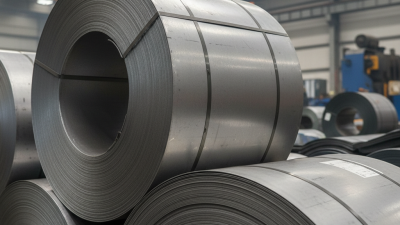
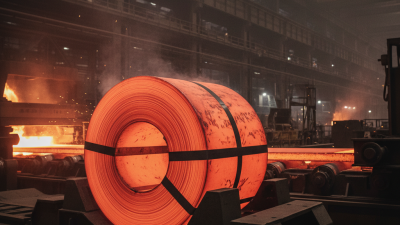
Hot rolled steel plate carbon is a popular choice in various industries. It is often used in structural applications due to its strength and durability. This type of steel undergoes a process of heating and rolling, resulting in a final product with excellent dimensional tolerance. The unique properties of hot rolled steel make it ideal for manufacturing components such as beams, frames, and heavy machinery parts.
Understanding the applications of hot rolled steel can enhance its utilization. It is commonly used in the construction of bridges, buildings, and automotive parts. The ability to withstand high stress and impact makes it favored in these areas. However, there are challenges. Surface imperfections and warping can occur during production. Companies must carefully inspect each plate to ensure quality. Choosing reliable suppliers helps mitigate such issues, ensuring better end products.
When selecting hot rolled steel plate carbon, considering its specifications is crucial. Different grades offer various mechanical properties and strengths. Failing to match the right grade with the application can result in failures. Engineers often debate the ideal thickness and width for their projects. Each decision impacts the overall structure's integrity. Being informed and cautious can lead to better outcomes in practical applications.
10 Essential Tips for Sourcing Hot Rolled Steel Plate Carbon
| Tip No. |
Tip Description |
Applications |
Key Specifications |
| 1 |
Understand the process of hot rolling |
Construction, Automotive |
Thickness: 3-100 mm |
| 2 |
Evaluate the quality standards |
Heavy Machinery, Shipbuilding |
Width: up to 2000 mm |
| 3 |
Check for certifications |
Pipelines, Structural Steelwork |
S235, S275, S355 grades |
| 4 |
Consider sourcing from multiple suppliers |
Manufacturing, Railways |
Surface finish: Hot Rolled |
| 5 |
Ask for product samples |
Heavy Equipment, Fabrication |
Mechanical properties verification |
| 6 |
Assess the delivery times |
Construction, HVAC |
Length: up to 12000 mm |
| 7 |
Negotiate pricing based on market trends |
Automotive, Aerospace |
Yield strength: min. 235 MPa |
| 8 |
Understand post-processing options |
Construction, Electrical |
Surface treatments available |
| 9 |
Keep updated with industry regulations |
Building Materials, Industrial Equipment |
Compliance with ISO standards |
| 10 |
Establish strong supplier relationships |
Manufacturing, Transport |
Long-term supply agreements |
Key Characteristics of Hot Rolled Steel Plates to Consider
When sourcing hot rolled steel plates, understanding their key characteristics is crucial. Hot rolled steel plates are known for their durability and versatility. They come in various thicknesses and widths, catering to different industrial needs. According to the World Steel Association, the global demand for hot rolled steel plates has increased by 5% annually. This statistic highlights the growing reliance on this material across industries.
Consider the mechanical properties of hot rolled steel. These plates typically exhibit high tensile strength, which makes them ideal for structural applications. Look for steel grades that comply with industry standards, such as those set by ASTM. These standards ensure quality and performance, allowing for reliable end-use in construction and manufacturing.
Tip: Always assess the dimensional tolerances of the plates. Variations can impact assembly and structural integrity. Another aspect to consider is surface finish, as it affects both aesthetics and the application of coatings. Be aware that while hot rolled steel plates offer numerous advantages, they may not suit every application. Reflecting on specific project needs is essential in sourcing the right material.
Comparison of Key Characteristics of Hot Rolled Steel Plates
Steps for Evaluating Suppliers of Hot Rolled Steel Plate Carbon
When evaluating suppliers of hot rolled steel plate carbon, consider several essential criteria. Start by assessing the supplier's experience in the industry. Reliable suppliers often have years of operational history. According to a recent market analysis by Research and Markets, over 70% of leading suppliers have been in business for more than a decade. This longevity can indicate stability and expertise.
Next, review the supplier's quality control processes. High-quality products must meet industry standards. Engaging with suppliers who carry relevant certifications, such as ISO 9001, can provide assurance. A study from the American Iron and Steel Institute highlighted that companies with stringent quality control have a 30% lower defect rate. Don’t underestimate the significance of customer feedback. Engaging with previous clients can offer insights into a supplier’s reliability.
It's also vital to evaluate pricing structures. While the lowest price might seem attractive, it can be misleading. Cheaper materials might lead to higher costs in the long run due to defects and failures. A report from Global Steel Innovations Forum indicates that investing in higher-quality materials can enhance overall project efficiency by up to 25%. Therefore, a thorough evaluation of potential suppliers should not solely focus on upfront costs but also on long-term performance and value.
Best Practices for Negotiating Prices on Hot Rolled Steel Plate
Negotiating prices for hot rolled steel plate requires a strategic approach. Market trends show that prices fluctuate based on demand and supply dynamics. According to the Steel Market Update, hot rolled steel prices rose by 42% over the last year, reflecting increased demand from the construction sector. Having a strong understanding of market conditions is essential. Regularly review industry reports to stay informed.
When negotiating, build relationships with suppliers. Trusted partnerships can lead to better pricing and favorable terms. It is suggested that purchasing in bulk often secures significant discounts. The Purchasing Managers' Index (PMI) indicates that bulk purchasing can reduce costs by up to 15%. However, be cautious of committing to large volumes without clear demand forecasts.
Flexibility can enhance negotiation outcomes. Suppliers often have room for movement on price, especially if competition drives them. Asking for a price match based on competitor quotes can also be effective. Avoid focusing solely on price; consider payment terms, delivery schedules, and quality assurances as part of the overall negotiation. Many negotiators overlook these factors, which can impact project success.
Quality Assurance Tips for Purchasing Hot Rolled Steel Plate Carbon
When purchasing hot rolled steel plate carbon, quality assurance is crucial. Understanding the specifications of the steel is vital. Knowing the chemical composition is key. High-quality steel plates typically range between 0.01% and 0.1% carbon content, balancing strength and ductility. Reports indicate that small variations can significantly affect performance.
Tip 1: Always request material test reports. These documents verify the steel’s properties. They should meet or exceed industry standards, such as ASTM A36. This ensures you receive material that performs as expected in applications.
Inspecting surface quality is equally important. Imperfections can indicate deeper issues. Look for surface defects like rust, pits, or scale. According to industry data, up to 30% of steel plates may have undetected flaws if not properly checked.
Tip 2: Evaluate supplier reliability. Choose suppliers with a solid reputation. Those dedicated to quality assurance practices are more likely to deliver consistent products. Ask about their quality control measures and accreditations. A supplier’s history in the market often reflects their commitment to quality.
In addition, consider your specific application requirements. Different applications demand varying grades of steel. Aligning specifications with your needs minimizes future problems. Precision in selection can prevent costly setbacks. Reviews and feedback from peers in the industry can provide additional insights worth considering.




 +86 18865111877