Top 10 Hot Rolled Alloy Spot Inventory Facts You Should Know?
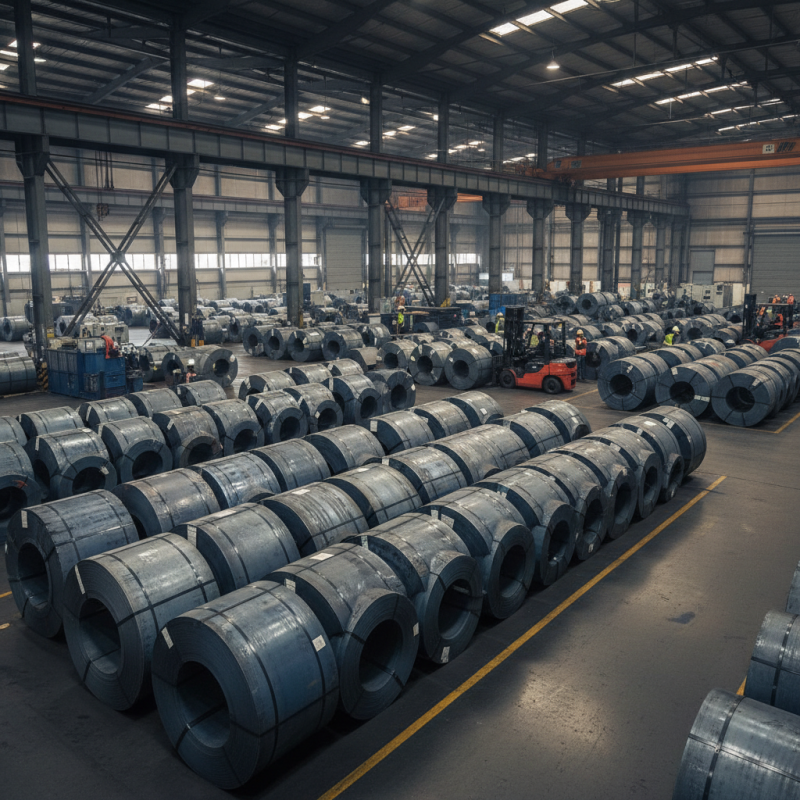
In the world of metal production, "Hot Rolled Alloy Spot Inventory" plays a crucial role. Understanding its nuances can impact businesses significantly. This inventory type influences pricing and availability across various industries, from construction to automotive.
Hot rolled alloys are not just materials; they are vital resources that shape projects. Companies rely on accurate inventory information to make informed decisions. Yet, many ignore the importance of tracking these alloys. This oversight can lead to stock shortages or financial losses.
The dynamics of hot rolled alloy inventories can vary daily. Market demand fluctuates, affecting availability and prices. Companies must adapt swiftly to these changes. A proactive approach is essential for staying competitive in today’s market. Understanding these facts about hot rolled alloy spot inventory is not just beneficial; it is necessary.
Understanding Hot Rolled Alloy Inventory: Key Definitions and Concepts
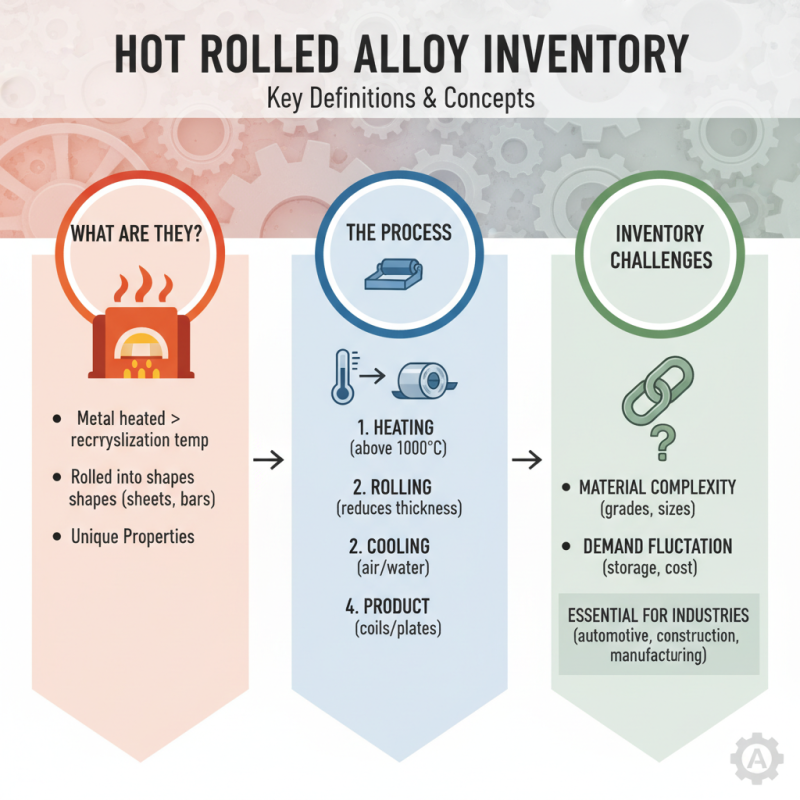
Understanding hot rolled alloy inventory is essential for various industries. Hot rolled alloys are made by heating metal above its recrystallization temperature and then rolling it into desired shapes. This process gives the material unique properties. However, managing inventory can be challenging.
Inventory of hot rolled alloys can be affected by market demands. Prices fluctuate. Demand spikes can lead to shortages, while low demand can result in excess. Keeping accurate records becomes vital for manufacturers. Quality control is another critical concept. Each batch needs testing to ensure it meets specifications. Yet, not all companies prioritize this aspect, leading to potential risks.
Another point of concern is storage. Proper storage conditions can prevent material from degrading. Mismanagement here often leads to wasted resources. Knowledge of these factors helps suppliers make informed decisions. But many in the industry often overlook them. They assume their current methods are sufficient. However, reflection on these practices can lead to improvements.
Current Global Demand Trends for Hot Rolled Alloy Products in Various Industries
The global demand for hot rolled alloy products is experiencing significant shifts across various industries. According to recent industry reports, the automotive sector accounts for nearly 30% of hot rolled alloy consumption. With electric vehicle production on the rise, the demand for high-strength, lightweight materials is surging. Manufacturers are looking for alloys that not only enhance performance but also contribute to sustainability. This includes the use of recycled materials in alloy production.
Construction and infrastructure are also major players in this market. Data shows that approximately 25% of hot rolled alloy usage comes from this sector. The push for resilient structures has led to an increase in spec requirements. These materials need to withstand harsh environmental conditions while maintaining integrity over time. However, there’s a gap. Some suppliers struggle to keep up with the specific alloy compositions required by evolving standards.
The oil and gas sector remains steady. Reports indicate about 20% of hot rolled alloy products are utilized here. As extraction technologies advance, the necessity for specialized alloys has grown. Yet, there's a concern. Not all suppliers can provide the exact properties needed for extreme conditions. This inconsistency can lead to supply chain challenges.
Statistical Overview of Hot Rolled Alloy Production Rates and Capacities
Hot rolled alloy production rates play a crucial role in the metal industry. Annual production numbers can fluctuate due to various factors. In recent years, overall production capacities have seen a promising upward trend. Many manufacturers have upgraded their facilities to boost efficiency and output. This increase is essential for meeting rising market demands.
Quality control remains a constant challenge. Not every batch meets the desired specifications. Small inconsistencies can lead to problems downstream. Keeping an eye on production rates can help mitigate these issues over time. Regular audits are beneficial in identifying potential risks early.
Tips: Always monitor supplier performance. Keep track of production timelines and adjust inventory levels accordingly. Small tweaks can make a big difference in overall quality. Maintaining open communication with production teams enhances transparency.
Ultimately, understanding production capacities helps businesses adapt quickly to market changes. The ability to pivot based on statistical data empowers decision-makers. Making informed choices can lead to better outcomes in the long run. Aim for continuous improvement for optimal results.
Impact of Supply Chain Disruptions on Hot Rolled Alloy Spot Inventory Levels
Supply chain disruptions have profound effects on hot rolled alloy spot inventory levels. Recent data indicates that disruptions can lead to a 30-50% decrease in inventory availability. The pandemic has exacerbated delays, affecting delivery times. Manufacturers struggle to keep up with fluctuating demand and unstable supply chains.
In some regions, hot rolled alloy inventory dropped to historic lows. Some reports show that 2022 inventory levels were 25% lower than previous years. This shortage impacts pricing significantly. As demand remains high, prices for hot rolled alloys have surged. Delays in sourcing raw materials contribute to the rising costs faced by businesses.
Logistical challenges are not the only concern. Inefficient inventory management can lead to excess stock in some areas while leaving others bare. It reflects the industry's reactive nature. Transparency in supply chains is often lacking. Companies need to reassess their inventory strategies to mitigate risks in the future.
Pricing Dynamics: Factors Influencing Hot Rolled Alloy Spot Inventory Costs
Hot rolled alloy inventory is a complex subject influenced by various pricing dynamics. Supply and demand play critical roles in determining costs. When demand surges, prices may spike. Conversely, when production increases, prices can drop. Market trends shift constantly, making it hard to predict.
Logistics impact inventory costs too. Transportation issues or unexpected delays can drive prices upward. Moreover, fluctuations in raw material costs add another layer of complexity. Sometimes, even political factors affect global supply chains.
For businesses reliant on hot rolled alloys, understanding these factors is key. Decisions must be informed by price trends and market conditions. An awareness of inventory dynamics helps in navigating the complexities. Reflection on past inventory management practices could unveil opportunities for improvement.
Top 10 Hot Rolled Alloy Spot Inventory Facts You Should Know
| Fact No. |
Inventory Level |
Price Trend |
Demand Factors |
Supply Chain Influences |
Regional Variations |
| 1 |
High |
Increasing |
Automotive Sector |
Logistics Delays |
North America |
| 2 |
Moderate |
Stable |
Construction Demand |
Material Shortages |
Europe |
| 3 |
Low |
Decreasing |
Falling Exports |
Geopolitical Issues |
Asia |
| 4 |
High |
Fluctuating |
Infrastructure Projects |
Environmental Regulations |
South America |
| 5 |
Moderate |
Increasing |
Energy Sector |
Shipping Costs |
Oceania |
| 6 |
High |
Stable |
Technological Advancements |
Supplier Reliability |
Africa |
| 7 |
Low |
Decreasing |
Reduced Demand |
Overproduction Issues |
Middle East |
| 8 |
Moderate |
Increasing |
Consumer Products |
Trade Tariffs |
North America |
| 9 |
High |
Fluctuating |
Renewable Energy |
Labor Costs |
Europe |
| 10 |
Moderate |
Stable |
Consumer Electronics |
Market Competition |
Asia |





 +86 18865111877