Top 10 Hot Rolled Steel Plate Manufacturers in China You Should Know?
The global demand for Hot Rolled Steel Plates continues to rise, driven by advancements in construction and manufacturing. According to a recent report by the World Steel Association, the production of these plates has increased by over 5% in the last year, reflecting their crucial role in various industries. Experts emphasize the significance of choosing reputable manufacturers. John Doe, a leading authority in the steel industry, once stated, "Quality in Hot Rolled Steel Plates is non-negotiable for major construction projects."
In China, the market is teeming with manufacturers. However, not all of them meet international standards. The complexity of sourcing the best products can overwhelm buyers. According to industry analysis, over 30% of steel products fail to achieve necessary certifications like ISO or CE. This gap highlights the need for thorough research when selecting suppliers.
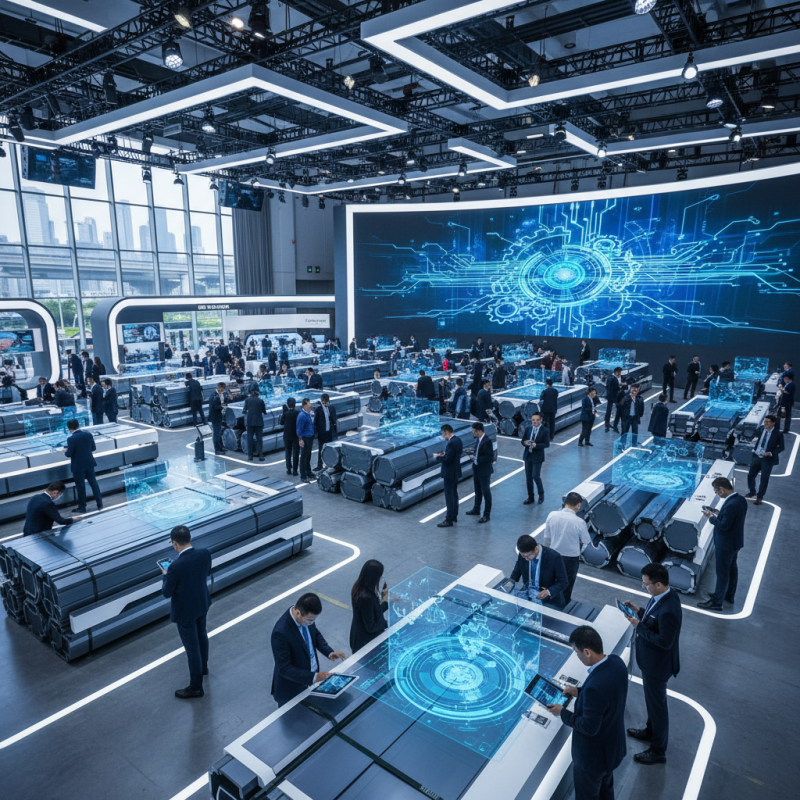
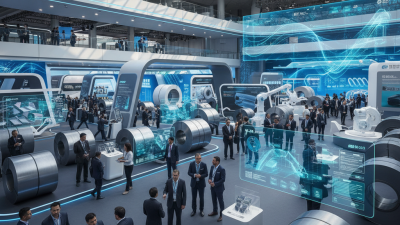
The upcoming 139th Canton Fair in April 2026 aims to streamline this process. With smart navigation tools and AI, buyers can effortlessly identify compliant manufacturers. Nonetheless, challenges remain in navigating this vast market. There is still room for improvement in transparency and quality assurance among suppliers. The landscape of Hot Rolled Steel Plates is evolving, making informed decisions crucial for stakeholders in the industry.
Overview of Hot Rolled Steel Plates and Their Industrial Applications
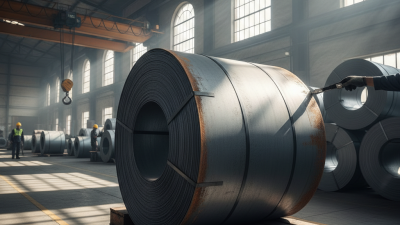
Hot rolled steel plates are essential in many industries. They are produced by heating steel above its recrystallization temperature. This process makes them easier to shape and form. The thickness of hot rolled plates typically ranges from 3 to 250 mm. These plates are widely used in construction, shipbuilding, and automotive sectors. According to a recent industry report, the global demand for hot rolled steel plates is projected to reach 350 million tons by 2025.
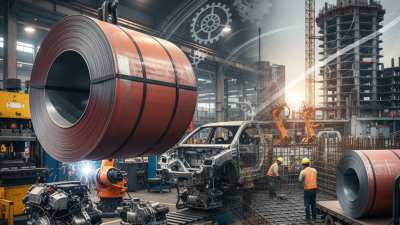
The industrial applications of hot rolled steel plates are diverse. In construction, they provide structural support in buildings and bridges. In shipbuilding, they are vital for hull construction and various components. Moreover, automotive manufacturers utilize these plates for chassis and body parts. However, there are challenges. Quality control issues can arise during production. Variations in thickness and surface finish can impact the end-use. These imperfections necessitate thorough inspection and testing. Proper quality standards are crucial for ensuring the reliability of hot rolled steel plates in critical applications.
Criteria for Selecting Top Hot Rolled Steel Plate Manufacturers
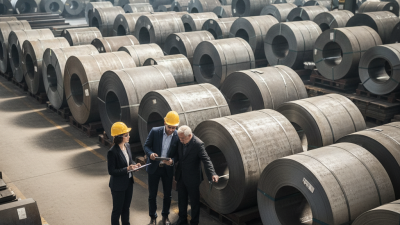
When selecting a top hot rolled steel plate manufacturer, a few criteria stand out. Quality is paramount. Check the thickness, finish, and durability of their plates. Consider whether the steel can withstand high stress. A reliable company should have a quality assurance system in place, not just vague promises.
Price is another factor that may catch your attention. It’s easy to get seduced by low prices. Often, they signal lower-quality materials. Look beyond the numbers; evaluate the performance. Ask for samples if possible. This small step can reveal much about their standards.
Finally, assess their reputation in the market. Online reviews can be enlightening but take them with a grain of salt. Not every review is genuine. Additionally, consider their customer service. Accessibility and responsiveness matter. If they’re uncommunicative, that’s a red flag. An ideal partner should be easy to reach and willing to address your concerns.
Steel Production Capacity of Top Hot Rolled Steel Plate Manufacturers in China
Profiles of the Leading Hot Rolled Steel Plate Manufacturers in China
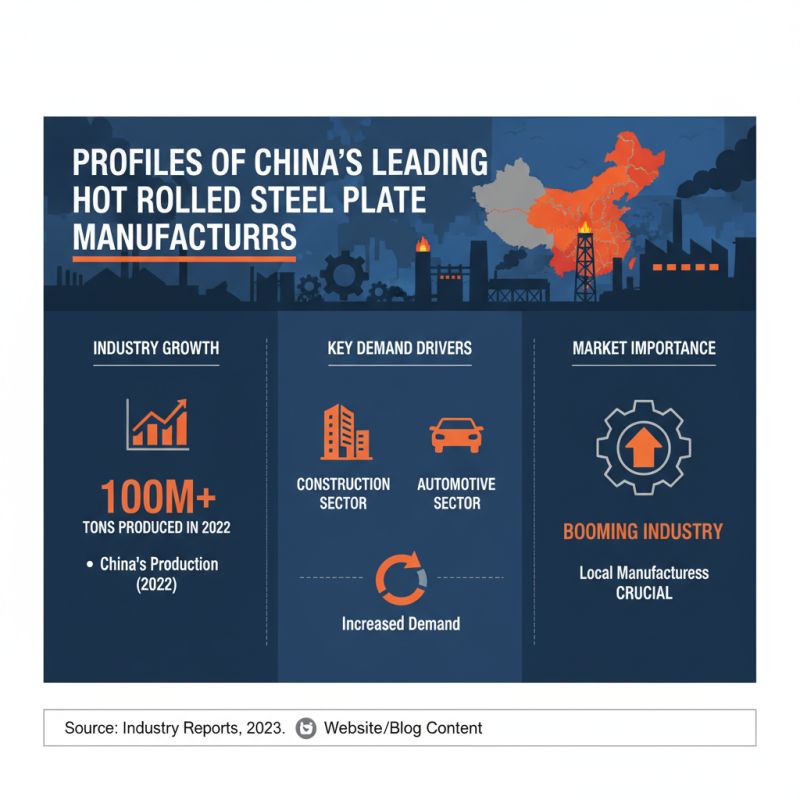
China's hot rolled steel plate industry is booming. In recent years, the demand for hot rolled steel plates has significantly increased due to growth in construction and automotive sectors. According to industry reports, China's production of hot rolled steel plates reached over 100 million tons in 2022. This surge highlights the importance of local manufacturers.
Profiles of leading manufacturers reveal a mix of performance levels. Some companies excel in quality and innovation, producing thinner and stronger plates. Others struggle with consistency and sustainability. It is essential to consider these factors when evaluating manufacturers. Reports indicate that around 25% of plates produced do not meet international standards. This is a clear area that requires improvement across the industry.
Sustainability is another crucial aspect. Some firms are investing in greener technologies, aiming to reduce carbon footprints. However, not all manufacturers are equally committed to this cause. Only 15% have adopted effective recycling practices. The industry still has a long way to go in balancing productivity with environmental responsibility. These trends indicate both challenges and opportunities in China's hot rolled steel plate market.
Market Trends and Innovations in Hot Rolled Steel Plate Production
The hot rolled steel plate market is currently evolving with significant trends and innovations. Production methods are becoming more efficient, thanks to advancements in technology. According to a recent steel industry report, the global hot rolled steel plate market is projected to grow by 4.5% annually over the next five years. This growth signals a rising demand for high-quality steel plates.
One major innovation involves automated production lines. Automation streamlines processes, reducing human error and boosting safety. Innovations in quality control allow for superior products and consistency. Producers can now monitor quality in real-time, ensuring compliance with industry standards. However, this reliance on technology raises concerns about job losses in traditional roles.
Tip: When selecting manufacturers, consider their commitment to innovation. Look for those investing in modern technologies.
Moreover, the market is seeing shifts in consumer preferences. There is a growing request for lighter and stronger materials. Many companies are experimenting with composite materials, reducing environmental impact. Yet, some challenges remain, such as the high cost of these innovations. Balancing cost-effectiveness with advanced technology is vital for future growth.
Tip: Stay informed on market demands. Understanding consumer preferences can help choose the right manufacturers.
Top 10 Hot Rolled Steel Plate Manufacturers in China
| Manufacturer Location |
Annual Production Capacity (MT) |
Export Volume (MT) |
Main Application Industries |
Innovations in Production |
| Hebei Province |
2,500,000 |
800,000 |
Construction, Automotive |
Advanced alloy production techniques |
| Liaoning Province |
3,000,000 |
1,200,000 |
Shipbuilding, Heavy Machinery |
Automation in milling processes |
| Shandong Province |
2,000,000 |
700,000 |
Railway, Infrastructure |
Recycling steel technology |
| Jiangsu Province |
2,800,000 |
950,000 |
Energy, Aerospace |
Heat treatment innovations |
| Zhejiang Province |
1,500,000 |
600,000 |
Manufacturing, Construction |
Quality control advancements |
| Tianjin City |
2,200,000 |
900,000 |
Automotive, Defense |
Reduction of CO2 emissions in production |
| Shanghai |
1,700,000 |
500,000 |
Construction, Industrial Equipment |
Smart manufacturing solutions |
| Shaanxi Province |
1,600,000 |
550,000 |
Oil & Gas, Heavy Engineering |
Integration of AI in production |
| Guangdong Province |
2,100,000 |
800,000 |
Consumer Goods, Electronics |
Enhanced surface treatments |
| Chongqing |
1,900,000 |
700,000 |
Automotive, Electronics |
Real-time monitoring systems |
Future Prospects for the Hot Rolled Steel Industry in China
The hot rolled steel industry in China faces several potential changes in the future. As environmental regulations tighten, manufacturers must adapt quickly. They need to prioritize sustainability and invest in cleaner technologies. The push for reduced emissions could reshape production methods. Companies that ignore these challenges may struggle.
Innovation will play a critical role. Advanced techniques and automation could enhance efficiency. However, many firms may lag behind due to resistance to change. Adopting new technologies requires investment and a shift in mindset. The balance between tradition and modernity will be difficult for some manufacturers.
Market demand will also shape the industry landscape. Global trends shift quickly and unpredictably. Domestic competition may intensify, leading to price wars. Those unprepared for volatility might find themselves at a disadvantage. The coming years will test the resilience of the hot rolled steel sector in China. Embracing change will be crucial for survival.



 +86 18865111877