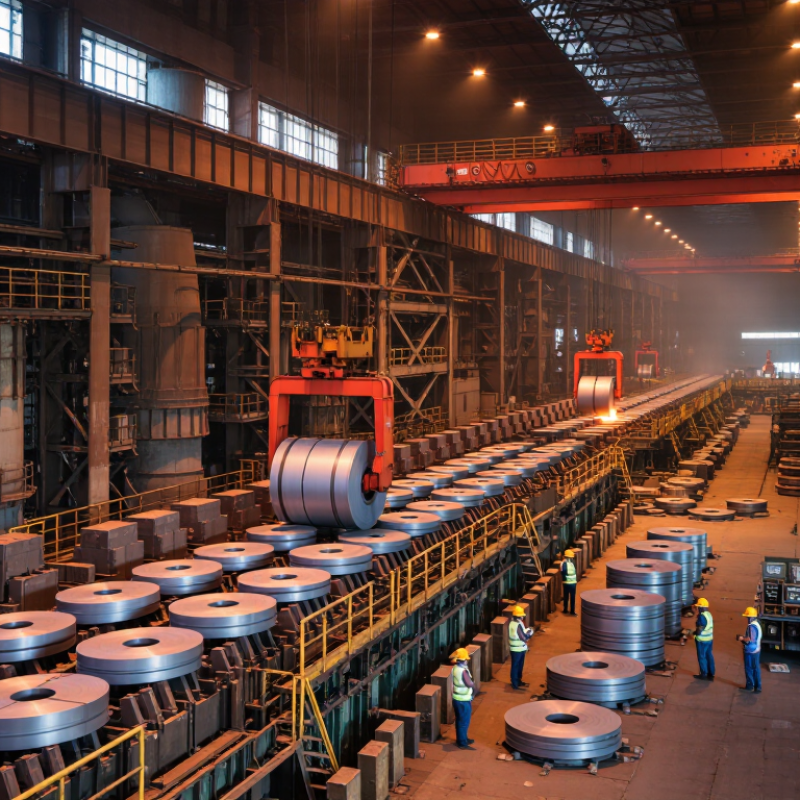
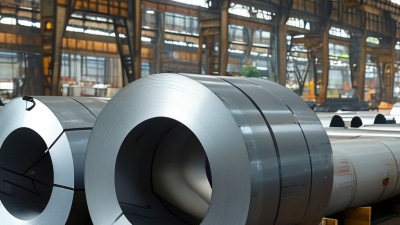
China remains a major global sourcing base for Hot Rolled Alloy Steel Plate, supported by extensive steelmaking capacity and export infrastructure. The World Steel Association reported approximately 1.019 billion tonnes of crude steel production in China during 2023. This scale gives international buyers broad access to alloy grades, thicknesses, surface conditions, and customized cutting services.
Yet scale does not automatically mean quality. The OECD’s 2024 steel market analysis highlights persistent global capacity pressure and challenging trade conditions. Buyers should therefore examine each supplier beyond price. Verify mill test certificates, heat numbers, chemical composition, mechanical properties, and delivery records. For critical applications, request ultrasonic testing and independent inspection.
Details matter.
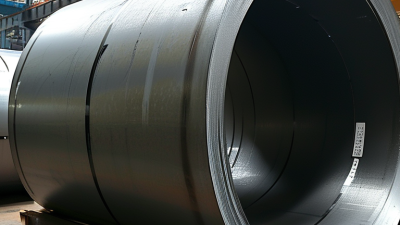
A dependable Chinese supplier should clearly identify applicable standards, such as ASTM, EN, or GB specifications. The supplier should also explain heat treatment, rolling tolerances, plate flatness, and packaging controls. For example, a properly protected plate should arrive with readable markings, dry surfaces, and secure steel bands. These practical signs often reveal more than polished marketing language.
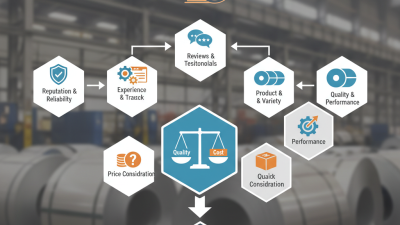
This guide evaluates China’s leading suppliers through manufacturing experience, certification quality, technical support, production capacity, and export reliability. “Best” is not universal. A pressure-vessel project may require different controls than construction machinery or energy equipment. Some supplier information can change, and online claims may be incomplete. That is why documented evidence, sample testing, and direct technical communication remain essential before purchase.
Hot rolled alloy steel plate is a flat steel product made by rolling heated alloy steel above its recrystallization temperature. Alloying elements may include chromium, nickel, molybdenum, vanadium, manganese, or silicon. These additions improve strength, toughness, hardenability, corrosion resistance, or wear performance. The definition is specification-based, not simply appearance-based.
The scope covers plates used in bridges, pressure equipment, mining machinery, energy facilities, transport structures, and heavy fabrication. Their properties depend on chemical composition, thickness, rolling practice, heat treatment, and cooling control. Some grades are normalized or quenched and tempered after rolling. Stainless, tool, and abrasion-resistant steels may overlap with alloy steel, but their classification depends on the applicable standard. The boundary is not always neat.
Global demand gives this category practical importance. The World Steel Association reported approximately 1.89 billion tonnes of crude steel production in 2023. However, crude steel data does not isolate hot rolled alloy plate. Buyers should therefore avoid using total steel output as a direct demand estimate. Better checks include mill test certificates, yield strength, tensile strength, impact results, dimensional tolerances, and ultrasonic testing requirements. A reliable supplier should explain these details clearly. Small inconsistencies matter. One weakness in this definition is its wide commercial use; suppliers may describe different products with similar language. Clear grade, standard, thickness, and delivery condition remain essential.
China Best Hot Rolled Alloy Steel Plate Suppliers
Key Alloy Grades and Their Performance Characteristics
Grade selection should match load, temperature, welding, and service environment. ASTM A514 plates typically deliver yield strengths near 690 MPa, supporting lighter structures and lifting equipment. However, their high strength can increase welding sensitivity. Preheating and controlled heat input remain essential.
ASTM A572 Grade 50 offers about 345 MPa minimum yield strength and better fabrication flexibility. It suits frames, platforms, and general construction. ASTM A588 adds weathering performance, with copper and chromium promoting a protective surface layer. That layer develops gradually and needs suitable exposure conditions. It is not a substitute for every coating system.
For demanding shafts, rollers, and wear components, 4140 and 4340 alloy steels provide strong hardenability after heat treatment. Their final performance depends heavily on thickness, cooling rate, and tempering practice. The U.S. Geological Survey reported global chromium mine production at roughly 41 million metric tons in 2023, showing the scale of alloying-material supply. World Steel Association data also placed global crude steel production near 1.9 billion tonnes in 2023. These figures support broad availability, but they do not guarantee consistent plate quality. A reliable supplier should provide heat numbers, chemical analysis, tensile results, impact data, and ultrasonic inspection records. Plate selection is still imperfect; a stronger grade can fail when welding design or delivery condition is overlooked.
The chart compares the minimum specified yield strength and tensile strength of widely used ASTM alloy and high-strength steel plate grades. Values are shown in MPa and may vary according to plate thickness, product class, heat treatment, and applicable specification.
China’s hot rolled alloy steel plate suppliers operate within structured manufacturing standards and quality control systems. Reliable mills align production with agreed GB/T, ASTM, or EN requirements. The purchase contract must define the applicable standard clearly.
Quality control begins with verified raw materials and controlled furnace batches. Each plate receives a heat number for traceability. Technicians check chemical composition, thickness, width, flatness, and surface condition. Mechanical tests measure tensile strength, yield strength, and elongation. Impact testing may be required for low-temperature service.
Testing is practical, not merely paperwork. Inspectors review calibration records and compare results with the material certificate. Ultrasonic testing can identify internal discontinuities in critical plates. Samples should represent the actual production heat. Independent inspection is useful for large orders. It adds time, but reduces uncertainty.
Details matter. Edges should be examined for cracking and uneven trimming. Plate markings must remain readable after handling. Packaging should protect surfaces during inland transport and export loading. No system is flawless. A certificate can contain an unnoticed error, and visual inspection cannot reveal every internal defect. Buyers should request records, retain samples where possible, and clarify acceptance rules before production begins. Clear communication often prevents costly disputes.
| Evaluation Dimension | Typical Requirement | Applicable Standard or Grade | Quality-Control Data or Inspection Point | Required Documentation | Purchasing Relevance |
|---|---|---|---|---|---|
| Product Form | Hot-rolled alloy steel plate supplied in cut lengths, with a flat and clean surface suitable for fabrication. | ASTM A6/A6M, EN 10025-1, or the designated project specification. | Check plate dimensions, edge condition, flatness, surface discontinuities, and visible scale or repair areas. | Dimensional inspection report and product identification record. | Confirms that the supplied plate matches the purchase order. |
| Common Structural Grades | Grades may include S355J2, S355JR, and ASTM A572 Grade 50, subject to the selected standard and application. | EN 10025-2 or ASTM A572/A572M. | Verify yield strength, tensile strength, elongation, chemical composition, and impact requirements where specified. | Inspection certificate with heat number and test results. | Supports structural load-bearing applications. |
| Pressure-Vessel Grades | Typical grades include P355GH, 16Mo3, and ASTM A387 Grade 11 Class 2 for elevated-temperature service. | EN 10028-2 or ASTM A387/A387M. | Review tensile properties, elevated-temperature requirements where applicable, chemistry, impact testing, and heat treatment condition. | EN 10204 Type 3.1 certificate or equivalent project-approved certificate. | Important for boilers, heat exchangers, and pressure equipment. |
| Chemical Composition | Composition depends on the grade; alloying elements can include manganese, chromium, molybdenum, nickel, silicon, and carbon. | Grade-specific requirements in EN, ASTM, or ASME material standards. | Heat analysis should be compared with product analysis limits. Carbon equivalent may be calculated when weldability is important. | Heat analysis, product analysis if required, and chemical test method reference. | Helps control weldability, strength, corrosion resistance, and service temperature capability. |
| Mechanical Properties | Mechanical values vary by grade and thickness; typical structural products are specified by minimum yield strength, tensile strength, and elongation. | EN 10025-2, ASTM A572/A572M, or the applicable pressure-vessel standard. | Test results should identify specimen orientation, plate thickness, yield method, tensile strength, and elongation. | Tensile test report linked to the heat and plate number. | Provides evidence that the plate meets design-strength requirements. |
| Impact Toughness | Charpy V-notch impact testing may be required for grades such as S355J2 or for low-temperature service. | EN 10025-2, ASTM E23, or ISO 148-1. | Confirm test temperature, absorbed energy, specimen orientation, number of specimens, and individual results where specified. | Charpy impact test report and test temperature statement. | Reduces brittle-fracture risk in cold or dynamically loaded applications. |
| Heat Treatment | Supply condition may be as-rolled, normalized, normalized rolled, or thermomechanically controlled, depending on grade and order. | Grade-specific requirements under EN 10025, EN 10028, ASTM, or ASME specifications. | Verify furnace or rolling records, delivery condition, cooling practice, and any required normalization or tempering cycle. | Heat-treatment chart or statement of delivery condition. | Affects toughness, weldability, dimensional stability, and service performance. |
| Thickness Range | Commercial availability depends on grade, mill capacity, and order requirements; common plate orders are often specified from approximately 6 mm upward. | Purchase order, applicable material standard, and mill capability statement. | Measure thickness at defined points and account for the tolerance class required by the standard or drawing. | Dimensional report showing nominal and actual thickness. | Ensures compliance with design thickness and weight calculations. |
| Thickness Tolerance | Must comply with the tolerance class stated in the order; tighter tolerances require explicit agreement. | EN 10029 or ASTM A6/A6M, as applicable. | Use calibrated micrometers or gauges; record readings away from edges in accordance with the selected standard. | Thickness measurement map and calibration records. | Prevents under-thickness material from entering fabrication. |
| Length and Width Tolerance | Dimensions should meet the ordered nominal size and the permitted tolerance class. | EN 10029, ASTM A6/A6M, or project drawings. | Verify length, width, squareness, straightness, and edge condition using calibrated equipment. | Final dimensional inspection report. | Reduces cutting loss and fabrication adjustment. |
| Flatness and Straightness | Flatness requirements depend on the applicable standard, tolerance class, and intended fabrication process. | EN 10029 or ASTM A6/A6M. | Measure deviation from a reference plane over the specified gauge length; record local and overall flatness where required. | Flatness and straightness inspection record. | Important for CNC cutting, welding fit-up, and pressure-vessel fabrication. |
| Surface Quality | Surface should be free from harmful defects that could impair use; acceptable conditioning must follow the relevant standard. | ASTM A6/A6M, EN 10163, or the project surface-quality specification. | Visual inspection for cracks, laps, seams, slivers, deep scale pits, laminations, and unauthorized repairs. | Surface inspection report and repair record, if applicable. | Limits rework, coating problems, and fatigue-related defects. |
| Internal Soundness | Ultrasonic testing may be required when internal laminations or inclusions could affect safety or weld integrity. | EN 10160, ASTM A578/A578M, or an agreed project specification. | Confirm scanning coverage, sensitivity level, acceptance class, equipment calibration, and location of any indications. | Ultrasonic test report with plate map and acceptance level. | Particularly relevant for pressure vessels, heavy structures, and welded components. |
| Weldability Control | Weldability should be evaluated using carbon equivalent, chemistry, thickness, restraint, and welding procedure requirements. | Grade standard plus EN 1011-2 or the approved welding procedure specification. | Check carbon, manganese, alloying elements, hydrogen-control requirements, preheating, interpass temperature, and post-weld heat treatment needs. | Chemical certificate, welding recommendation, and approved WPS/PQR when required. | Helps prevent cold cracking and fabrication failures. |
| Traceability | Each plate or bundle should remain traceable to the heat, grade, size, and inspection certificate. | EN 10204, ASTM material certification practice, and purchaser traceability procedures. | Match plate markings, bundle tags, heat numbers, certificates, and shipping documents throughout receiving and fabrication. | Material test certificate, packing list, and heat-number traceability log. | Supports audits, nonconformance control, and future service investigations. |
| Certificate Level | For critical applications, an EN 10204 Type 3.1 inspection certificate is commonly requested; Type 3.2 requires independent or purchaser-appointed verification. | EN 10204:2004. | Confirm that test results are specific to the supplied heat or product and are signed by the authorized inspection representative. | Type 3.1 or Type 3.2 certificate, according to the purchase order. | Defines the level of independent verification and documentary assurance. |
| Inspection Equipment | Measurement and testing equipment should be suitable for the test and maintained in a calibrated condition. | ISO 9001 quality-management practices and applicable test standards. | Review calibration validity for chemical analysis, tensile testing, impact testing, dimensional measurement, and ultrasonic inspection equipment. | Calibration certificates and inspection-system records. | Improves reliability and repeatability of reported results. |
| Packaging and Marking | Plates should be securely bundled or separated as required, protected against handling damage, and clearly marked. | Purchase order, logistics requirements, and applicable material standard. | Check marking durability, heat number, grade, dimensions, quantity, lifting points, corrosion protection, and packing condition. | Packing list, marking record, and photographs before dispatch where required. | Prevents identification errors and transport-related damage. |
| Pre-Shipment Verification | Final release should occur only after document review, dimensional inspection, surface inspection, and any specified mechanical or NDT testing. | Approved inspection and test plan, purchase order, and applicable standard. | Confirm that nonconformities are closed and that the quantity, grade, size, heat number, and certificates are consistent. | Final inspection release note and complete quality dossier. | Reduces receiving disputes and project delays. |

Note: Requirements and values must be confirmed against the exact grade, thickness, edition of the standard, and purchase specification. The table presents standards-based purchasing and quality-control criteria rather than performance claims for any individual supplier.
Evaluating China-based hot rolled alloy steel plate suppliers requires more than comparing quotations. The World Steel Association reported that China produced 1.019 billion tonnes of crude steel in 2023, representing about 54% of global output. Scale helps, but it does not guarantee consistent plate quality. Ask for mill certificates, heat numbers, production dates, and full chemical and mechanical test results. Then match those records against the requested ASTM, EN, or GB requirements.
Traceability matters on the factory floor. A reliable supplier should connect each plate to a specific heat, furnace, rolling schedule, and inspection report. Request samples from different heats, not only one attractive batch. Independent testing can verify yield strength, tensile strength, impact performance, thickness, and surface condition. EN 10204 3.1 documentation is useful, but the issuing laboratory and testing method still require careful checking.
Visit the mill when possible. Observe slab storage, ultrasonic testing, plate marking, and moisture protection during packing. Supplier audits should also review corrective-action records, delivery history, and complaint handling. ISO 9001 certification supports process control, yet certification alone is not proof of performance. I have seen polished documents hide weak traceability. That risk is easy to underestimate. A smaller trial order, witnessed inspection, and clear acceptance criteria can reveal problems before a large shipment is committed. The World Steel Association data shows China’s capacity, not every supplier’s reliability. That distinction deserves attention.
Hot rolled alloy steel plate suits demanding applications, including pressure vessels, mining equipment, bridges, and heavy industrial frames. Its alloy content can improve strength, toughness, or wear resistance. However, performance depends on the selected grade and heat treatment. It is not automatically superior.
Site conditions matter. In project reviews, I compare operating temperature, impact loads, corrosion exposure, and welding requirements. A plate used in a quarry may need strong abrasion resistance, while a structural project may prioritize weldability and certified impact toughness. Specify grade, thickness tolerance, surface condition, and delivery standards before requesting prices. Ask for mill certificates, chemical analysis, and mechanical test results. Verify heat numbers against the delivered plates.
Supplier selection requires more than comparing quotations from China. Request traceable production records and recent inspection documents. Review rolling capacity, cutting accuracy, export packaging, and experience with similar applications. Independent inspection can confirm thickness, flatness, surface defects, and markings before shipment. Ask how the supplier handles nonconforming material and delayed deliveries. A serious supplier answers clearly.
No supplier is perfect. A lower quote can hide inspection, packaging, or transport risks. I also value responsive technical communication, because unclear advice can create expensive redesigns. One overlooked issue is after-sales support; replacement plates may need matching chemistry and properties. Check references carefully, but remember that past performance does not guarantee every future batch.